
Introduction
Managing digital displays today requires more than static scheduling and manual updates. As networks grow and messaging needs change faster, operators need dynamic digital content control that allows them to respond in real time, manage assets centrally, and keep displays accurate across every location. For organizations running multi-screen or multi-site networks, control isn’t just helpful—it’s essential.
Understanding Dynamic Digital Content Control
Dynamic digital content control refers to the process of managing digital displays in a flexible and responsive way. At its core, it enables centralized control of content across entire display networks—without relying on manual, on-site updates. This is important in keeping up with viewer expectations, which can shift with the seasons and trends. Whether it’s adjusting to winter sales in December or promoting local events, dynamic control helps content stay fresh and engaging.
The goal is speed and consistency. Automated scheduling, real-time updates, and centralized control allow operators to make changes instantly—whether responding to time-sensitive messaging, seasonal shifts, or unexpected events—without added operational strain.
For businesses with multiple locations or a wide digital presence, this flexibility is crucial. Managing content across different places can be challenging, especially when events and promotions change fast. Dynamic digital content control makes it simpler by offering centralized solutions that replace slow, manual updates. Instead of visiting each display or relying on local staff to update content, these systems allow changes from a single location, ensuring accuracy and consistency everywhere.
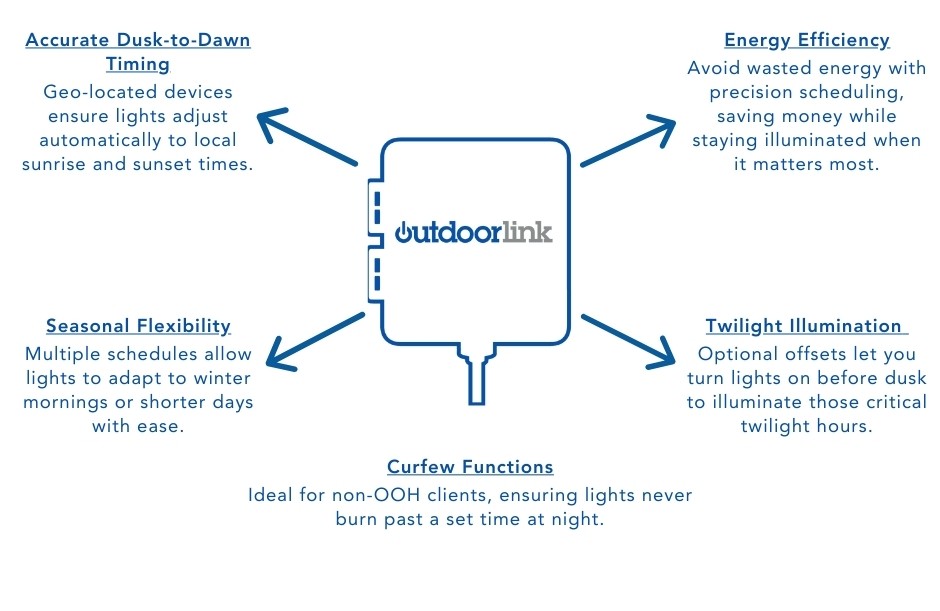
The Outdoorlink SmartLink controller supports centralized asset management, real-time scheduling, and instant content updates—allowing operators to make network-wide changes without delays or inconsistencies.This efficiency is invaluable for companies wanting to respond quickly to marketing opportunities or emergencies.
Comparing Control Options
When it comes to choosing the right control system, knowing what’s out there is helpful. Different systems offer varied benefits, so it’s about finding what works for specific needs. Here are some popular options:
- Cloud-based solutions: These allow for easy updates from anywhere, providing flexibility and scalability. They are often friendly to use and accessible no matter where you are.
- On-premise systems: These offer greater control and security, good for those who prefer managing everything directly at their locations.
- Hybrid models: Combining cloud and on-premise features, these offer balanced benefits, taking useful parts of both approaches to fit different business models.
Each option comes with pros and cons. Cloud systems are helpful for remote updates but rely on having a stable internet. On-premise systems may offer more control but might not be as flexible. Hybrid models provide versatility but can require more investment at first. Choosing the right fit means weighing these factors against unique operational needs.
Choosing a control option should factor in reliability, security, and user-friendliness. Cloud-based systems can make it easy to push out last-minute deals or respond to breaking events. However, internet reliability is important for cloud solutions to avoid delays. On-premise options give direct control but might take more setup and maintenance, which works well for organizations needing higher security or local compliance. Hybrid systems combine strengths for those who want remote access plus local oversight.
Outdoorlink supports cloud, on-premise, and hybrid network configurations-giving operators the freedom to design systems that align with their infrastructure, security requirements, and growth plans. This flexibility fits different industries, whether it’s citywide transit displays, campus sign networks, or national retail campaigns. Businesses can tailor their setup as they grow or as their needs change. Many operators choose flexible architectures that allow their systems to evolve over time, rather than locking into a single control model.

Benefits of Implementing Dynamic Digital Control
Implementing dynamic digital control brings several advantages. It reduces the time and effort needed to manage digital displays. With automated processes, there is no need for manual updates at every step, which frees up resources for more important tasks.
Dynamic control improves relevance. When content aligns with timing, location, and audience expectations, displays perform better and require fewer reactive fixes.
Dynamic content control supports flexibility. By quickly adjusting to trends and changes, businesses can keep up with changing needs. The ability to adjust content in real time means staying in tune with consumer shifts and preferences, which is important in a fast-moving digital space.
Centralized digital content management also helps reduce errors. When content is managed from a main platform, businesses have better oversight and more consistency in what appears on their screens. This means fewer mistakes, and less time spent correcting or updating content after it goes live.
A big benefit is the opportunity for real-time data use. Dynamic control lets organizations tailor content based on the latest information, from sales data to local weather. For example, a quick switch from winter to holiday promotions can be done on the spot, or content can be adjusted to fit special events or changing community needs.
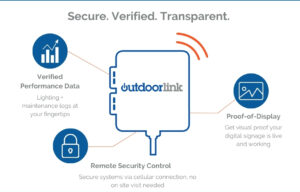
Additionally, these systems often come with reporting features that monitor how content is doing and whether screens are functioning properly. This helps teams spot issues early, reducing downtime and keeping displays working smoothly. With better data, planning future campaigns becomes easier and more effective.
Across more than 1,200 networks, operators using Outdoorlink’s system experience higher display uptime, faster campaign changes, and improved operational visibility
Challenges and Considerations
There are also some challenges with dynamic digital content control. One main task is making sure the technology works smoothly with existing systems. This takes careful planning to avoid disruptions.
Weather can affect outdoor digital displays, especially during winter. Knowing how weather impacts displays is key. Experience shows that reliable systems and professional guidance can help address these problems, making sure displays work well regardless of the weather.
Integrating new control systems takes planning. Training, documentation, and ongoing support play a critical role in long-term success. Good training, clear instructions, and ongoing support are essential to make the shift smoother.
Another challenge is keeping technology current. As digital solutions change, keeping up with updates is necessary. Good support and regular updates are important for making sure systems remain effective and reliable.
Physical conditions such as temperature changes, humidity, or snow in different regions can add extra concerns for outdoor screens. It helps to use solutions that are tested for various climates and have backup plans for power or connectivity interruptions.
SmartLink issues automated maintenance alerts and performs scheduled system checks to support long-term compatibility and year-round performance.
Outcomes of Smart Digital Control Management
Using dynamic digital content control in smart ways can bring big benefits. Greater flexibility lets businesses shape their messages to current needs, building experiences that connect with audiences. Better content delivery means displays are accurate and engaging.
Smart control helps organizations adapt to change and do well in changing environments. The ability to react quickly to trends builds a flexible approach that keeps digital strategies working well. As these technologies continue to develop, the chance for growth and improved digital content management continues to expand.
Teams can save time, reduce mistakes, and improve the overall viewer experience by having the right tools. Centralized platforms make it easier to plan, schedule, and monitor content, offering more opportunities to stand out in busy digital spaces.
Effective management also means businesses can get more from their investments by keeping displays online, up to date, and relevant to their audience. The long-term results include higher audience engagement, more consistent messaging, and greater success in using digital display networks.
Dynamic digital content control allows operators to move faster, reduce errors, and keep their networks performing at scale. At Outdoorlink, we build tools designed for real-world display management—flexible, reliable, and built to grow with your network. If you’re ready to simplify control and improve performance, we’re here to help. Contact us today.