
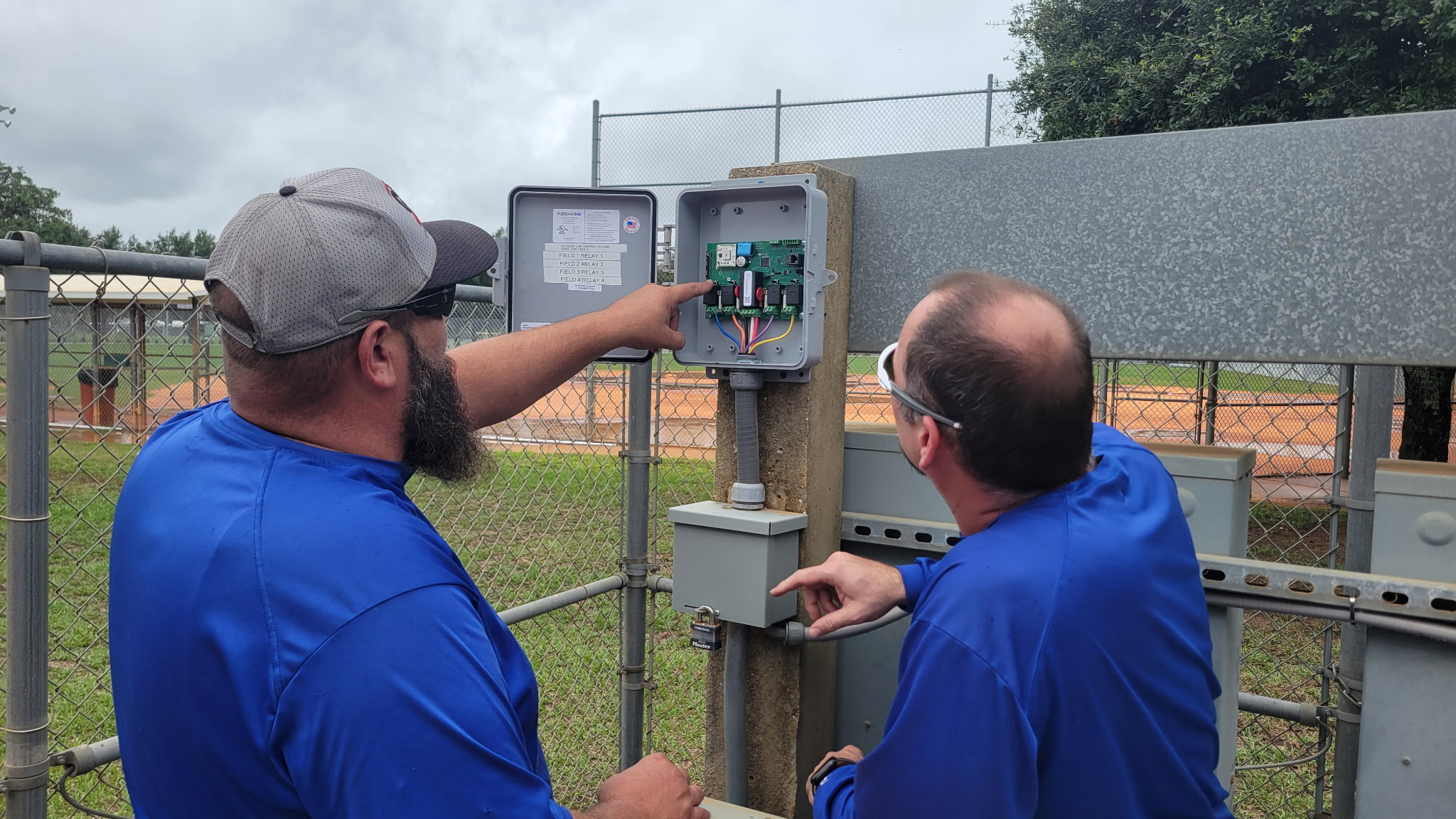
Lighting Isn’t the Problem. Lack of Visibility Is.
Most operators don’t think about lighting until something goes wrong.
And when it does, the issue usually isn’t the failure. It’s how long it went unnoticed.
A site goes partially dark.
A schedule doesn’t adjust.
A system drifts out of sync.
Everything still looks “online,” but performance is already off.
That gap between what you think is happening and what’s actually happening is where cost builds.
You’re Not Managing Lighting. You’re Reacting to It.
Across most portfolios, lighting control isn’t centralized. It’s built over time.
Different sites run on different setups, with no clear visibility into performance.
The only way to confirm what’s working is to:
- Wait for a complaint
- Send someone to check
- Catch it by chance
That’s not control. That’s reaction.
The Cost Builds Quietly
Lighting issues don’t show up as one major failure. They show up as small, repeated inefficiencies.
Teams spend time checking sites, fixing schedules, and responding to issues that could have been avoided. At the same time, systems continue running outside of real conditions.
Lights stay on longer than needed.
Schedules don’t align with actual usage.
Energy and labor costs drift without being tracked clearly.
Individually, these feel minor. Across a network, they add up fast.
Where It Starts to Impact the Business
Lighting directly affects how your locations perform.
When it’s inconsistent, people notice. Dark areas change how safe a property feels, and inconsistency across sites starts to impact trust.
For digital signage and OOH networks, the impact is more direct. If visibility drops, performance drops with it. Missed uptime means missed value.
And without real monitoring, those moments often go unseen.
The System Isn’t Broken. It’s Just Out of Sync
Most lighting control systems were built to run on fixed schedules.
But your operation isn’t fixed.
As conditions change, systems fall out of alignment. Timers drift, photocells lose accuracy, and overrides stack up over time. Each site starts behaving differently, and managing that at scale becomes difficult without clear visibility.
What Changes With Real Control
When you can see what’s happening across your network in real time, everything shifts.
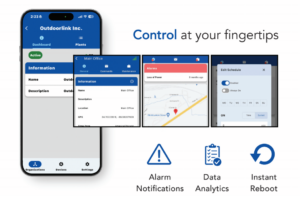
You’re no longer guessing or reacting. You know what’s working, what’s not, and where attention is needed. Adjustments can be made instantly without sending someone into the field, and issues can be handled before they impact operations.
Now your team is focused on improving performance instead of chasing it.
Control Creates Consistency
Lighting should not be something you have to check.
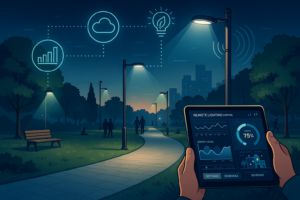
With the right visibility and control in place, your network runs the way it should. Sites stay consistent, teams stay efficient, and performance becomes predictable.