
Summer has a way of exposing weak spots in outdoor operations. Longer days mean changing lighting schedules. Storms can knock out power without warning. Rising temperatures put extra strain on equipment, and when you’re managing dozens or hundreds of locations, a single issue can quickly turn into multiple service calls.
That is why more operators are investing in a remote lighting control system. It is not just about turning lights on and off from a computer. It is about giving your team the visibility to spot problems early, respond faster, and keep operations running without unnecessary truck rolls.
See What’s Happening Without Visiting Every Site
Managing outdoor lighting manually works when you have one location. It becomes much harder when you’re responsible for billboards, parking lots, campuses, airports, or commercial properties spread across a large area.
A remote lighting control system gives you one place to monitor every connected site. Instead of driving out to investigate a complaint or adjust a timer, you can update schedules, verify performance, and respond to issues remotely. That saves time, reduces labor costs, and helps keep your assets performing the way they should.
Catch Small Problems Before They Become Bigger Ones
Not every outage starts with a major equipment failure. Sometimes it is a schedule that was never updated after daylight hours changed. Sometimes it is a controller that has stopped communicating or a breaker that has tripped after a storm.
With remote lighting monitoring, your team does not have to wait for someone to notice the problem. Real-time alerts and system visibility make it easier to identify issues early, reduce downtime, and prioritize maintenance where it matters most. The result is fewer emergency service calls and more reliable operations across every location.
Build a System That Works in Every Season
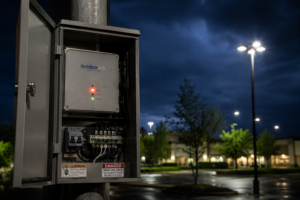
Outdoor lighting has to perform through changing weather, shifting daylight hours, and unexpected power interruptions. A dependable remote lighting control system should continue following schedules even when communications are temporarily interrupted and give operators the information they need as soon as service is restored.
The combination of smart controllers, automated scheduling, and centralized monitoring creates a system that is built for real-world conditions, not perfect ones. It also gives organizations the flexibility to adjust lighting as seasons, events, and operating hours change throughout the year.
Choose a Platform Built for Multi-Site Operations
As your network grows, so does the complexity of managing it. Whether you oversee outdoor advertising, municipal infrastructure, transportation facilities, or commercial properties, your lighting platform should make operations simpler, not more complicated.
Look for a commercial lighting control solution that provides secure remote access, reliable monitoring, flexible scheduling, and reporting that helps your team make informed decisions. The right platform should reduce manual work while giving you greater confidence that every site is operating efficiently.
Take Control of Your Outdoor Lighting
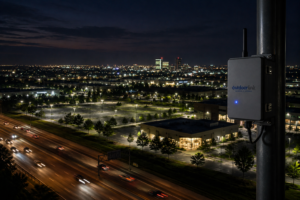
At Outdoorlink, we understand that lighting is only one part of a much bigger operation. Our remote lighting control system helps organizations reduce truck rolls, improve uptime, lower energy costs, and gain better visibility across every connected asset. From billboard lighting and digital signage to parking lots, campuses, airports, and commercial properties, our platform gives operators the tools to manage more locations with less effort.
If you’re looking for a smarter way to manage outdoor lighting, contact Outdoorlink to learn how our smart controllers and remote monitoring platform can help you improve efficiency, simplify maintenance, and keep your operations running at their best.