
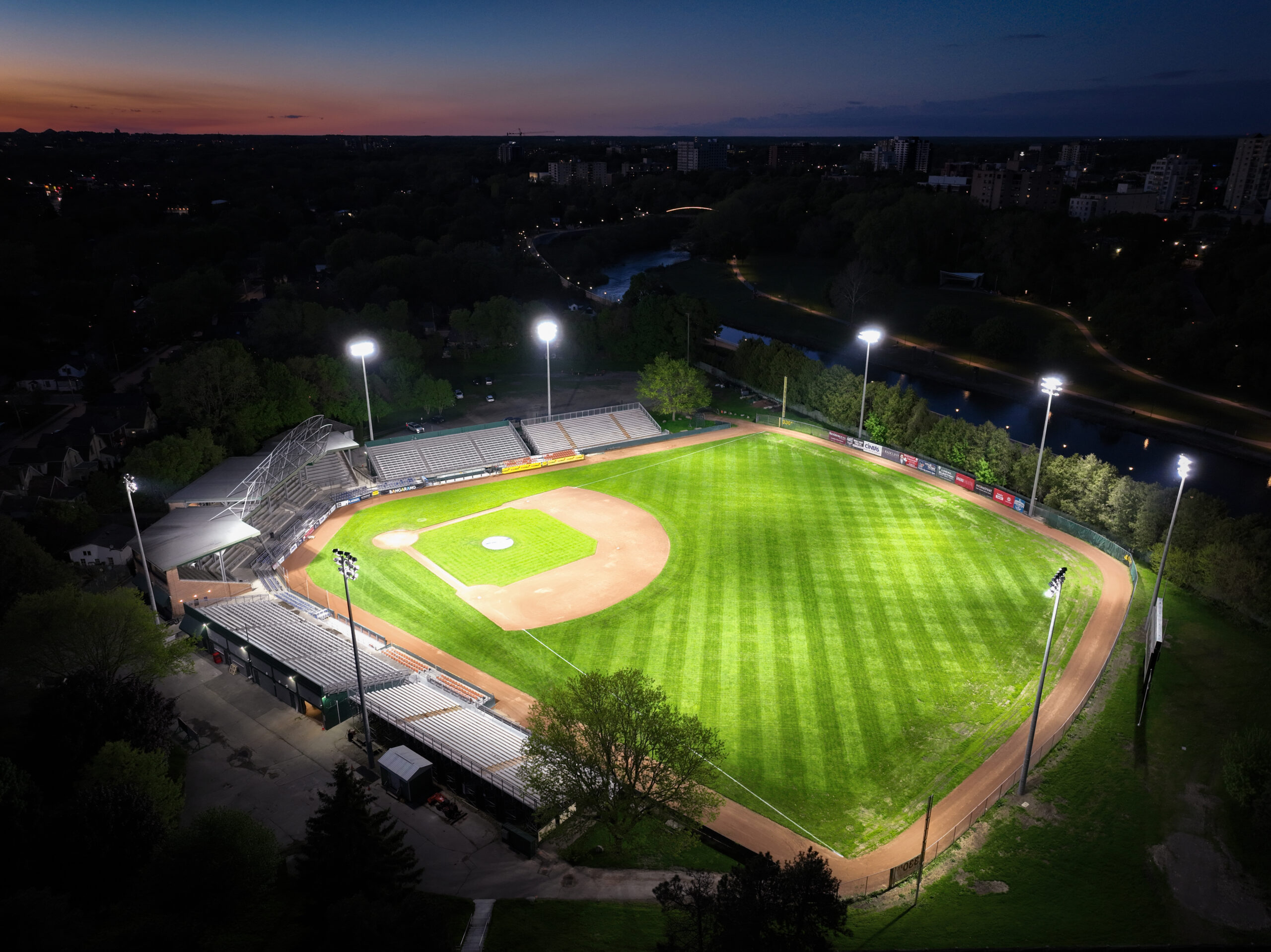
Parks & Recreation departments are responsible for keeping public spaces safe, accessible, and ready for community use-often with limited staff and growing facility demands. Lighting is foundational to that mission, but managing it across fields, trails, parking lots, and buildings can quietly consume hours every week.
This time drain isn’t usually caused by major failures. It comes from small, repetitive tasks: adjusting schedules, checking whether lights are on or off, responding to after-hours calls, and coordinating fixes once something goes wrong. The opportunity isn’t just to manage lighting-it’s to manage it more efficiently.
Where Time Gets Lost
Most Parks departments experience similar challenges when it comes to facility lighting:
- Lighting controls spread across multiple locations
- Schedules that require frequent seasonal or event-based updates
- Limited visibility into real-time lighting status
- Reactive responses to complaints or after-hours issues
-
-
Individually, these tasks seem minor. Collectively, they add up to hours of staff time each week that could be better spent elsewhere.
Why Centralized Oversight Matters

When staff don’t have a clear, centralized view of facility lighting, time is lost confirming status and diagnosing issues. Centralized oversight reduces uncertainty and removes the need for routine site visits just to verify whether systems are operating correctly. With better visibility, teams can identify problems earlier, respond faster, and reduce unnecessary back-and-forth between departments or.
Reducing Manual Work Without Losing Control
Lighting schedules are rarely static. Daylight changes, special events, and extended facility use all require flexibility. Relying on fully manual updates increases the likelihood of missed changes and creates ongoing administrative work.
More adaptive approaches reduce repetitive tasks while still allowing staff to make intentional adjustments when needed. The goal isn’t automation for automation’s sake-it’s consistency and reliability with less hands-on effort.
Fewer After-Hours Interruptions
After-hours lighting issues are one of the biggest operational disruptions for Parks teams. Lights left on overnight, fields not illuminated for evening activities, or resident complaints often require immediate attention.
Clear awareness of lighting status and faster issue identification help reduce these interruptions. When teams can quickly understand what’s happening, fewer problems escalate into urgent calls or overtime work.

Better Coordination, Faster Resolutions
Lighting maintenance often involves multiple parties-Parks staff, electricians, and city operations teams. When information is incomplete or scattered, troubleshooting takes longer than it should.
Clear systems and shared insight into lighting operations improve coordination, reduce repeat service calls, and shorten resolution timelines. That efficiency directly translates into time savings for staff.
Why This Matters
Every hour saved managing lighting is an hour that can be reinvested into:
- Preventative maintenance
- Facility improvements
- Program and event support
- Community engagement
-
-
Efficient lighting management supports the bigger mission of Parks & Recreation: providing safe, well-maintained spaces that communities can rely on.
A Practical Next Step
At Outdoorlink, we focus on helping Parks departments reduce operational friction and gain clearer insight into their infrastructure. We believe lighting should support your team, not slow it down.
If your department is spending unnecessary time managing facility lighting, the next step is simple:
Take a closer look at where time is being lost, identify opportunities to centralize visibility and reduce manual work, and start building systems that give staff clarity instead of added tasks.
Saving hours each week isn’t about doing more, it’s about managing smarter.