
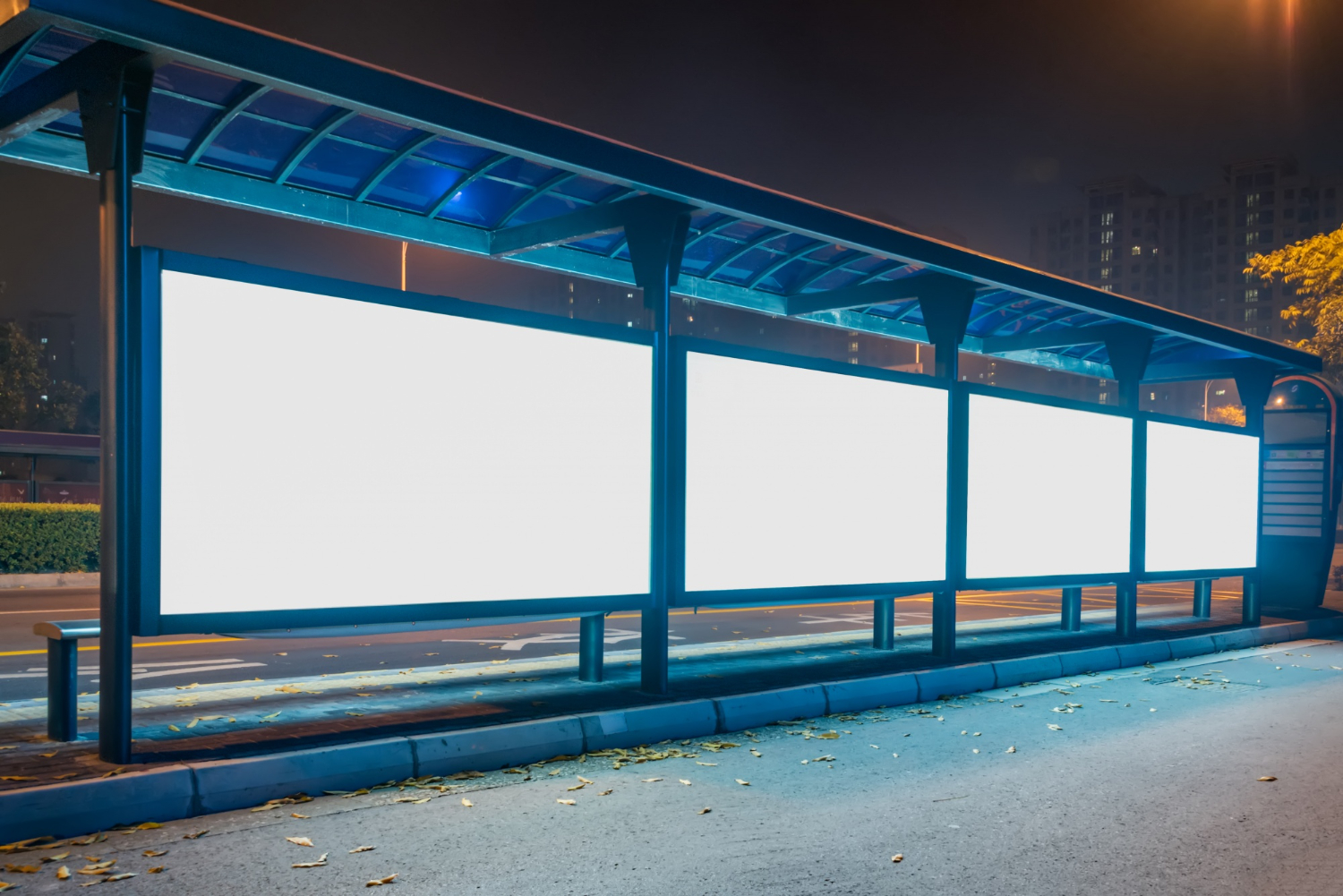
Optimizing outdoor advertising networks is a smart move, especially as winter approaches. During the colder months, businesses need clear and effective advertising that can stand up to the chill. Outdoor advertising network optimization improves visibility, uptime, and operational efficiency across your digital and static assets.This ensures every sign or billboard operates at peak performance, reaching the right people at just the right moment.
For businesses relying on outdoor ads, winter’s unique challenges demand both proactive planning and flexible response. The colder season does not just bring dropping temperatures and unpredictable weather, it requires a renewed focus on making sure every ad performs well under different conditions. Fundamentally, optimizing your networks before winter is about preventing problems and improving how well your ads reach, inform, and inspire your audience despite obstacles that the season brings.
Understanding the Basics of Outdoor Advertising Networks
Before looking at strategies for improving outdoor ads, it’s good to understand what makes up an outdoor advertising network. These networks use different kinds of displays, from digital billboards to static signs. Each type has a specific role in catching the eye of passersby and delivering a message quickly and clearly.
Digital billboards are a favorite because they can be updated easily with fresh content, keeping messages timely and relevant. Static displays offer consistent visibility, which can be perfect for certain locations or campaigns. By knowing how these pieces fit, we can better plan how to optimize their performance.
When structuring an outdoor network, placement matters as much as the type of sign used. Good positioning maximizes daily impressions and ensures that ads are in line with high-traffic periods, such as morning and evening commutes. Also, diversity in display types allows for a balanced campaign. While digital billboards are flexible and data-driven, static signs provide round-the-clock visibility and don’t face potential outages linked with digital hardware.
Because each display method responds differently to winter’s rigors, combining them within one network offers resilience. This mix, along with understanding when and how people engage with various signage, is vital to shaping strategies that keep your campaigns on target throughout the season.
Key Strategies for Outdoor Advertising Network Optimization
Technology plays a big role when it comes to optimizing outdoor ads. With today’s advances, we can keep things running smoothly and reduce hiccups along the way. Regular upkeep and close monitoring are important to make sure signs look their best and perform well all season long.
Smart controllers play a critical role in network optimization, providing visibility into power usage, device health, and display performance.They also cut down on downtime, which is always a good thing in advertising. By combining these tools with a smart monitoring system, we find the best ways to run our network without trouble.
Outdoorlink’s Smart Controller provides operators with real-time visibility into power usage, display performance, and network health—enabling fast, remote troubleshooting and schedule adjustments across regions.
In addition to smart hardware and regular maintenance, developing a winter-specific schedule can add efficiency. For instance, adjusting lighting schedules according to shorter daylight hours saves energy and keeps ads visible only when they can be noticed.
Centralized monitoring enables managers to identify problems remotely, sending field crews only when needed, thus saving time and operational costs.
Another essential consideration is the transition plan for creative content. As winter starts, ads might need brighter colors or higher-contrast text for better readability in dimmer conditions. Animation speed and brightness settings should be tested to guarantee visibility against snow or cloudy skies.
Preventive maintenance checks are more critical now than at any other time of the year. Ensuring that electrical connections, light fixtures, and display surfaces are inspected and cleaned before the season’s worst weather can reduce unexpected failures. This might also involve stocking backup components, such as bulbs, LEDs, or control electronics, to speed up repairs when an outage does occur.
Staff training is also part of optimizing network performance. Operators and maintenance crews should be briefed on seasonal risks, like icy roads, cold-induced hardware malfunctions, and emergency protocols. Well-trained staff are better equipped to act quickly in challenging situations, keeping network downtime to a minimum.
Overcoming Weather Challenges During Winter
Winter brings its own set of challenges to outdoor advertising. Cold winds, ice, and snow can all put a strain on signs and displays. This makes it important to prepare our networks for whatever the season brings.
One way to keep signs working well is with weatherproofing. Use durable materials that can stand up to winter’s worst. It also helps to place signs carefully, using natural features as protection from harsh weather. When snowfall and ice are heavy, remote management solutions are useful. These systems allow operators to adjust schedules and performance settings in response to forecasted conditions, making sure signs stay visible and messages come through loud and clear.
Outdoorlink’s systems offer automated lighting and maintenance alerts, allowing outdoor ad networks to adapt display schedules and performance efficiently as weather conditions change.
Prioritizing weather-resistant materials during installation lowers the risk of damage and keeps the advertising uninterrupted, even during storms. Checking mounting hardware and anchoring points is especially necessary before winter starts, reducing the risk of wind-related damage or displays being knocked loose by heavy ice or snow accumulation.
When active storms roll in, the ability to remotely dim lighting, adjust schedules, or even shut down malfunctioning displays helps minimize the risk of electrical fires or equipment burnout. And after a winter event, rapid response teams can assess, clean, and restore displays quickly thanks to real-time monitoring data that pinpoints exactly which displays were affected.
Additionally, regular communication with local authorities and utility companies can offer early warnings about significant weather events. This helps prepare the team for emergencies and gives a heads-up if major power shutdowns are likely.
Leveraging Data for Continuous Improvement
Data helps us make smart choices and improve our network. By gathering data from our systems, we can see what’s working and spot areas for improvement. It helps us see how our ads do in different weather and locations, making future decisions easier.
Analyzing performance metrics lets us tweak advertising strategies for better results. Operators can identify which placements, schedules, and assets perform most reliably and which might need some extra help. From there, we can use data-driven decisions to fine-tune placements and timings, making our network even more effective and engaging.
With Outdoorlink supporting more than 1,200 networks, our clients use integrated analytics and reporting tools to maximize ROI, monitor uptime, and optimize network operation year-round.
For a data-driven operation, it is key to integrate a feedback loop. This means setting up automatic reports that track energy use, response to weather changes, outages, and repair times. Reports help identify patterns, for instance, a digital sign that consistently fails after freezing rain may need a location move or hardware upgrade. Regular reviews of this information help managers and technicians continuously tune the network to meet winter’s challenges head-on.
Comparing performance before, during, and after the winter months also supplies valuable context for budgeting and planning future campaigns. For example, if certain routes or neighborhoods see a boost in ad impressions thanks to more vehicle traffic during snowy months, it makes sense to focus resources in those spots for next winter.
Positive Outcomes of Optimized Advertising Networks
Optimizing outdoor advertising networks brings great benefits. It increases the reach of our ads, helping connect with our audience more effectively. As a result, engagement goes up, allowing us to make the most of our marketing resources.
Using these strategies, businesses can see improvements in their marketing ROI, which means getting the most benefit for the effort. Over time, investing in the right optimization techniques helps our network stay consistent and effective throughout the year. This sets the stage for long-term success, keeping our advertising impactful and relevant all year round.
An optimized network is also more sustainable, using less electricity and requiring fewer emergency repairs, which keeps operational costs in check. Fewer outages mean less lost revenue and greater reliability for advertisers who depend on your network for brand exposure. Ultimately, efficiency gains and improved visibility translate into a positive reputation in the marketplace, helping your network stand out from the competition.
With outdoor advertising network optimization, we can boost our visibility and engagement, especially during challenging winter months. At Outdoorlink, we’re always looking for ways to make our networks more effective and efficient. By combining smart controllers with real-time data analysis, we make sure that every outdoor sign and display works flawlessly, regardless of the season. Discover how Outdoorlink can support your outdoor advertising network with smarter controls, real-time visibility, and reliable winter performance.