
Proof of Display: How DOOH Operators Build Advertiser Trust
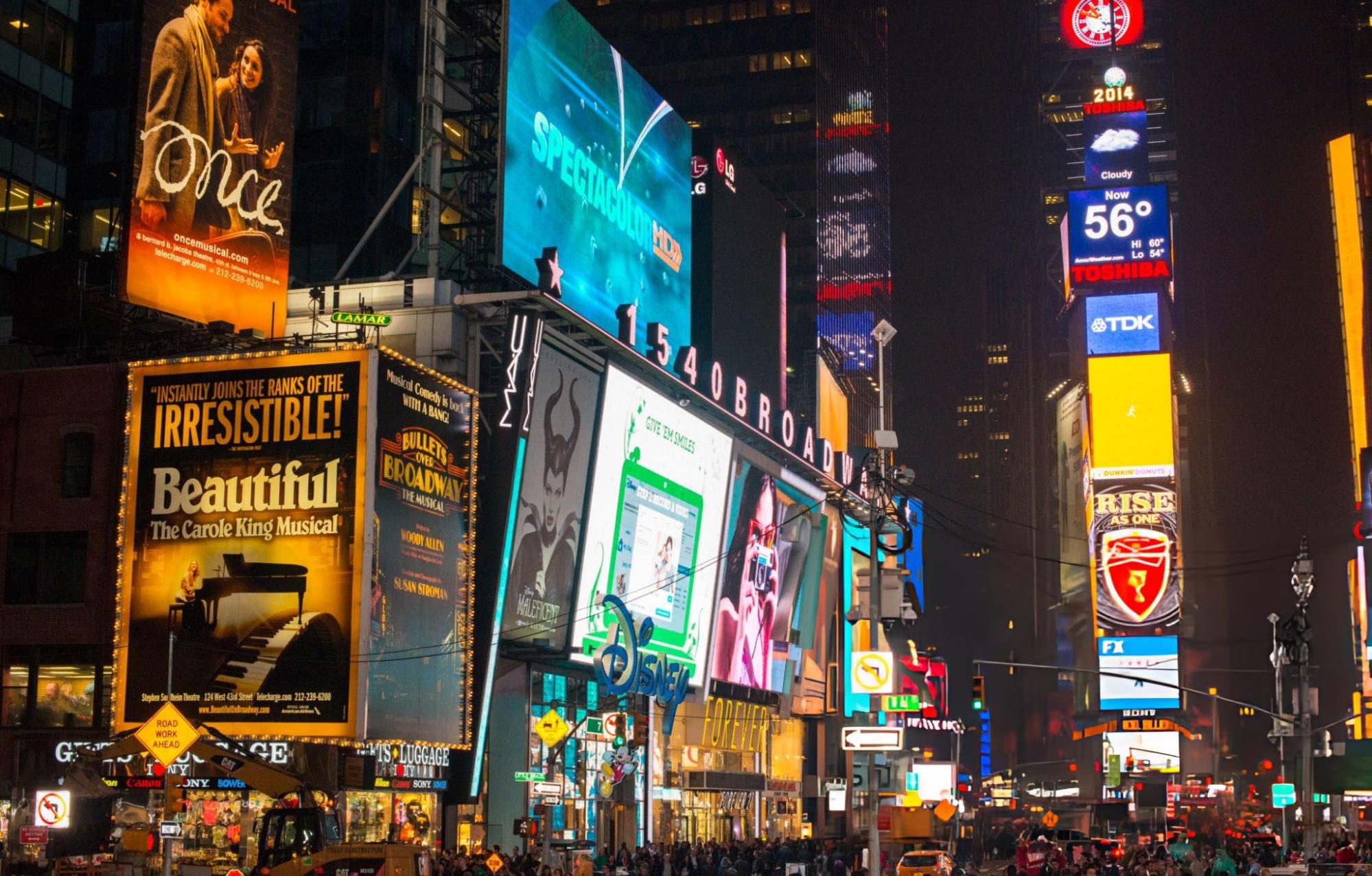
An advertiser pays for a digital billboard face expecting one simple thing in return: that their ad actually ran, when it was supposed to, where it was supposed to. That expectation sounds basic, but for a lot of DOOH operators, proving it after the fact is harder than it should be.
Without verified data, an operator is left telling an advertiser to trust that the campaign ran as scheduled. In an industry built on measurable impressions and accountable media spend, “trust me” is not a strong enough answer anymore.
Why Advertisers Are Asking Harder Questions
Digital advertising budgets are under more scrutiny than ever. Advertisers buying DOOH space increasingly expect the same accountability they get from digital and programmatic channels: documented reporting that shows exactly what ran, when, and for how long.
If a display goes dark for an hour during a scheduled campaign and no one catches it, that gap is invisible unless the operator has a way to detect and document it. Multiply that across dozens or hundreds of faces running multiple advertiser contracts at once, and the risk becomes real. A single undetected outage can turn into a credit, a make good, or a lost renewal.
Operators who can produce clear, verified proof of performance are the ones who keep advertiser confidence, and the ones who win the next contract.
What Proof of Display Actually Requires
Proving that content displayed correctly is not just about confirming a device had power. It requires visibility into the full chain of what happened at the display:
- Was the correct content loaded and playing
- Did the display stay powered and connected for the full scheduled window
- Was there any interruption, and if so, how long did it last
- Can that data be documented and shared with the advertiser
Most basic monitoring tools stop at power status. That leaves a gap between “the device had power” and “the ad actually displayed as intended,” and that gap is exactly where advertiser disputes start.
How Outdoorlink Closes That Gap
Outdoorlink’s Vantage system was built to answer the proof of display question directly. Using an optical sensor, Vantage confirms that the content actually displayed matches the intended media input in real time, not just that the hardware was technically online.
This gives DOOH operators a few critical advantages:
Real content verification. Optical sensor confirmation means operators know the correct creative displayed, not just that a screen was powered on.
Documented proof of performance. Verified play data gives operators something concrete to share with advertisers, replacing assumptions with documentation.
Faster dispute resolution. When a question comes up about whether a campaign ran as scheduled, operators have the data on hand instead of scrambling to reconstruct what happened.
Stronger renewal conversations. Advertisers who receive clear proof of performance are more likely to renew, because the operator has already answered the question before it was asked.
Proof of Performance in Practice
Washington Union Station manages a complex digital display network across one of the busiest transit hubs in the country, seeing around 100,000 people daily. With Outdoorlink’s Vantage system in place, the station achieved 100 percent uptime for its digital devices, backed by real-time content verification through the optical sensor. That level of documented reliability matters in a high visibility, high traffic environment where downtime is not an option.
Lamar Advertising’s Dallas operation offers another example. Online Proof of Performance reports verify proper illumination across the network, cutting down on manual inspections and giving Lamar a documented answer any time a client or internal team needs to confirm a display ran correctly. That documentation has helped reduce customer credits and resolve repair backlogs in a fraction of the time it used to take.
In both cases, the value is the same. Verified data turns a conversation built on trust into a conversation built on evidence.
Turn Uptime Into a Competitive Advantage
Proof of display is not just a defensive tool for avoiding disputes. It is a way for DOOH operators to differentiate themselves in advertiser conversations. An operator who can show documented, verified performance data stands out from one who can only offer assurances.
As advertiser expectations continue to rise, the operators who invest in real proof of display technology now will be the ones best positioned to protect revenue, retain advertisers, and grow their digital inventory with confidence.
See Proof of Display in Action
It is one thing to describe how proof of display works. It is another to see it running across a real, distributed network of billboards, transit displays, and digital signage.
Explore the Outdoorlink 3D Interactive Map to see how centralized monitoring, remote control, and verified proof of performance come together across real-world DOOH deployments, and get a clear picture of what documented uptime could look like across your own network.