
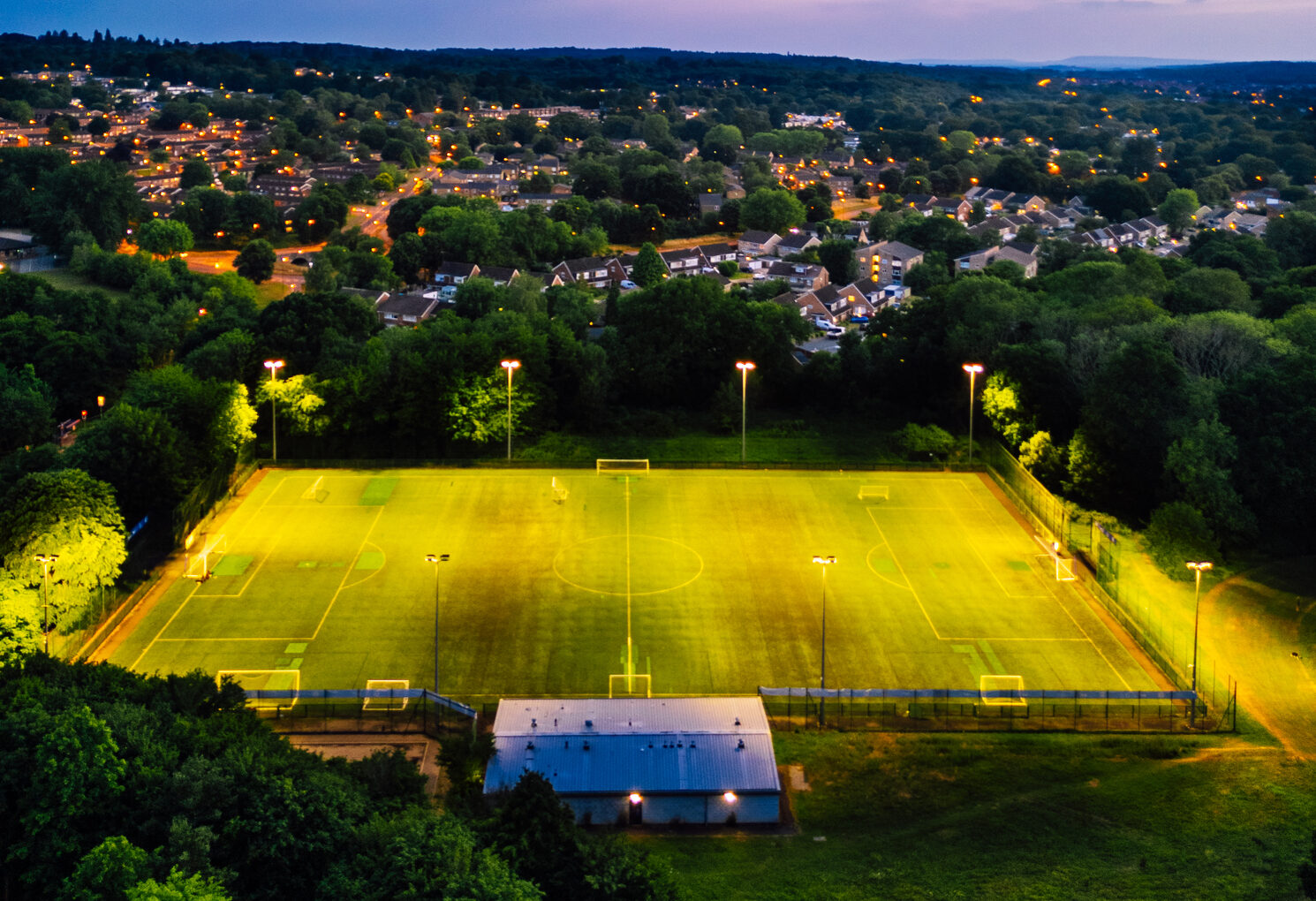
Smarter park nights start with how you control the lights. When your fields, trails, playgrounds, and plazas all have different switches, timers, and controls, keeping everything lit and safe after dark becomes a daily scramble. A parks lighting management system brings those pieces together so your team can see it all, run it all, and fix problems fast, without driving all over town.
We will walk through why traditional lighting control makes work harder than it needs to be, how centralized control changes daily operations, and what that means for safety, visitor experience, and energy use. Then we will talk about what to look for in a system that can grow with your park network and support busy spring evenings.
Smarter Park Nights Start with Centralized Control
Modern park systems cover a lot of ground, from big sports complexes to neighborhood courts and long greenway trails. Many have a mix of older poles, new LED fixtures, digital scoreboards, fountains, and entry signs, all with different controls that need attention as soon as the sun goes down.
When staff have to do any of the following:
- Drive to each site to flip breakers
- Reset timers after every schedule change
- Respond in person to “lights are out” calls
You get inconsistent lighting, safety worries, and a lot of overtime, especially when spring events kick in.
A modern parks lighting management system uses smart controllers and cloud software so your team can see and manage lighting and other powered features from one dashboard. From that single view, you can schedule, dim, and monitor the whole network instead of juggling separate pieces.

Why Parks Struggle with Traditional Lighting Control
Most park systems did not grow from a single plan. They grew over years, one field, trail, and shelter at a time. That history shows in the control gear.
Common issues include:
- Different brands and ages of fixtures on the same site
- Old mechanical timers near newer photocells
- Control panels scattered in locked rooms and box enclosures
This patchwork makes it hard to know what is installed where, and even harder to manage it.
Maintenance is often reactive. Staff hear about outages from visitors, local police, or social media posts. Then someone has to roll a truck after dark, unlock boxes, test breakers, and guess at the root cause. That burns time, fuel, and budget that could be spent on planned work.
Scheduling is another headache. Sports seasons, concerts, and spring events shift from week to week. Add in Daylight Saving Time and weather delays, and your team is constantly reprogramming standalone timers or driving out to extend light hours. That manual work invites mistakes and missed lights.
There is also the risk side. Poor or uneven lighting in parking lots, walkways, restrooms, and fields can lead to complaints and safety concerns. When your team cannot see what is on or off across the system, it is harder to prove you are keeping spaces reasonably lit.
How Centralized Lighting Control Transforms Park Operations
With a centralized parks lighting management system, all lighting assets show up in one place. On a map-based dashboard, staff can see:
- Sports fields and courts
- Trails and greenways
- Parking lots and park-and-ride areas
- Monuments, fountains, and signs
That view becomes the single source of truth. No more guessing which timer controls which pole or driving across town to confirm if a lot is dark.
Automation does the heavy lifting. You can build schedules by zone, day, and season, then let the system run. When something unexpected happens, staff can override from their phone or laptop, for example, turning on extra lights during a rain delay or keeping a lot lit longer for a late bus.
Real-time visibility means every controller reports in. If a circuit drops or power use looks odd, your team gets alerts and can investigate quickly, often before anyone complains. That changes the job from “rush to fix a problem” to “see and solve issues early.”
Because the same platform can tie into signage, digital displays, and water features, parks teams are also better set up for future smart city projects. You can start with lighting and grow into more connected features over time.
Safety, Experience, and Community Impact After Dark
Good lighting is one of the fastest ways to help people feel safe using parks in the evening. When parking areas, paths, restrooms, and transit stops are lit on time, at the right level, it supports both visitor comfort and staff peace of mind.
Centralized control also improves the experience. With smart controllers, you can create scenes for different uses:
- Brighter, uniform light for sports and big crowds
- Softer light along walking paths once games end
- Color accents on monuments or fountains for special dates
These changes can run on schedules, so events feel polished without adding work for on-site staff.
A parks lighting management system can also help address equity. When you see runtime and status data across all sites, it is easier to spot dark gaps, adjust schedules, and give neighborhood parks the same attention as flagship facilities. Sharing these improvements with the community builds trust that their parks are being cared for.
Usage data can guide decisions too. If certain courts stay busy later in spring, you can support that with extended hours and clear communication. If a remote lot is rarely used at night, you can shorten its lighting schedule and explain the change as part of your sustainability plans.
Cutting Energy, Costs, and Carbon in Park Systems
Energy savings often start with simple control. A parks lighting management system lets you:
- Turn lights off automatically when parks close
- Dim fixtures during low-traffic times
- Set different levels by zone and use
That kind of fine-tuning trims waste without asking staff to remember every switch.
The same platform can generate clear reports on runtimes, power use patterns, and outage history. Leaders can use this information to explain budget needs, support grant requests, and show how lighting choices support broader climate goals.
Remote monitoring and control also cut the number of truck rolls. If a light is off due to a schedule error, staff can fix it from their screen. If a whole circuit is down, they arrive on site already knowing which panel to open. That reduces overtime and lets crews focus on playgrounds, turf, and other visible work.
Seasonal shifts are easier too. As days get longer in spring, you can adjust system-wide start times and shoulder-season settings with a few clicks. No more climbing into boxes to change each individual timer.
What to Look for in a Parks Lighting Management System
When parks teams are ready to centralize lighting control, it helps to choose tools that fit the real world, not just a new-build wish list.
Look for hardware that:
- Works with existing lights, signs, water features, and digital displays
- Fits into current panels where possible
- Supports both new LED fixtures and older gear
This limits the need for full replacements and keeps projects realistic.
On the software side, the platform should feel comfortable for maintenance supervisors, operations leaders, and event staff. Cloud-based access, plain language menus, and clear maps help non-IT users get value quickly.
Reliability and security also matter. Cellular or hybrid connectivity keeps sites online across wide areas, and strong cybersecurity practices protect your controls. Responsive support that understands municipal and parks operations makes rollouts smoother and helps your team get confident.
Finally, think about scale. A smart path is to start with a pilot at a high-visibility spot, like a sports complex or downtown plaza, then expand to trails, neighborhood parks, and parking areas as your team sees results and builds buy-in.
As a provider of an IoT-based controllers and connected lighting control software, Outdoorlink focuses on giving parks teams that central view, flexible control, and practical path from pilot to full network. Centralized lighting control does not just make your nights brighter, it makes every spring season easier to plan, safer to enjoy, and simpler to run.
Get Started With Your Project Today
Discover how our parks lighting management system can help you cut maintenance costs, improve visitor safety, and streamline daily operations. At Outdoorlink, we work with your team to tailor remote control, monitoring, and scheduling features to the unique needs of your parks and recreation facilities. If you are ready to explore options or want a quick walkthrough of what is possible, contact us and we will help you plan the next steps